
End of September SF Market Update
Folks in our industry are always at the edge of our seats when the Federal Reserve meets. Last week’s meeting proved why… it shook up economic confidence yet again. That combined with seemingly frightening news about AI’s capabilities and likely harmful impacts to human existence flooded our news cycle. With how quickly things change from one week to the next, all this is worth talking about and putting into context for our real estate market.
AI IPO’s (I Know - That’s a Lot of Acronyms)
Sources: SF Standard, SF Chronicle, The Real Deal
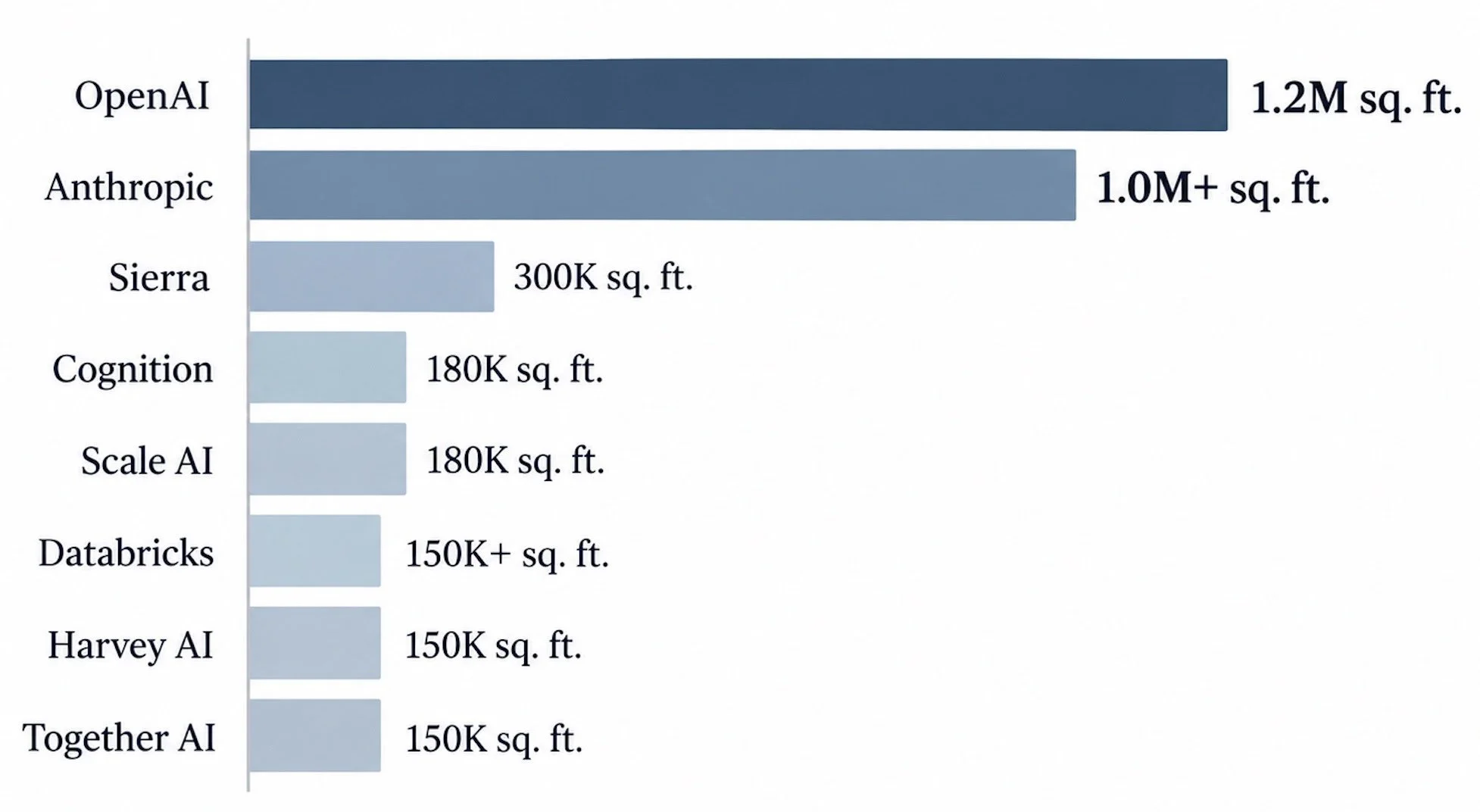
Recently, there has been a little more caution creeping into the AI story. OpenAI has reportedly pushed its IPO plans out, and investors are asking harder questions about the risks of moving too quickly. Recent warnings from leaders at OpenAI and Anthropic have added to that conversation. Yet, on the ground in San Francisco, AI companies are still making very large, very real commitments. OpenAI now occupies more than 1 million square feet of office space in Mission Bay, while Anthropic has continued expanding its South of Market footprint with several major leases. In other words, there may be more scrutiny around the AI boom, but these companies are still betting heavily on San Francisco. For the housing market, the important story isn’t just the office recovery. It’s the people, jobs and spending power those leases bring back into the city.
Mortgage Rates Tick Back Up
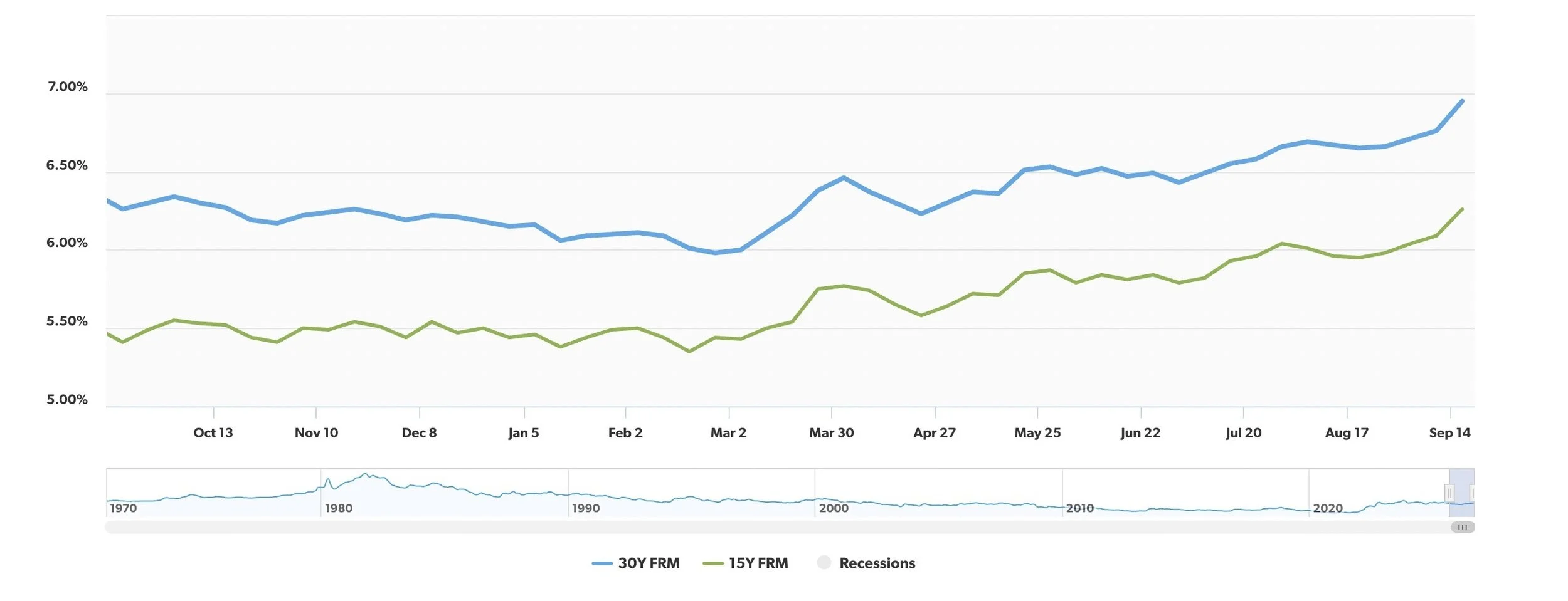
At the same time, the Federal Reserve just raised its benchmark interest rate by 0.25 percentage point, bringing the target range to 3.75% to 4%, as policymakers respond to inflation that remains above their 2% goal. The Fed also signaled that additional tightening could be ahead. That matters for housing because borrowing costs were already moving higher. Nationally, 30-year fixed mortgage rates reached nearly 7% this month, inventory climbed to a cycle high, sales softened and median prices have now declined for two consecutive months. For buyers, rates remain an important part of the affordability equation, but in competitive markets like San Francisco, we're continuing to see buyers weigh the cost of financing against limited inventory and the opportunity to secure the right home.
Source: Freddie Mac
Oil Prices (and Inflation) Are Climbing Again
Crude oil prices have moved sharply higher in recent weeks. As of September 15, oil was trading at $107.02 per barrel, up from $83.99 just one month earlier and well above the mid-summer low of $69.73. That’s a jump of roughly 27% in one month and more than 53% from the summer low, putting renewed pressure on energy costs and potentially adding another inflationary wrinkle to the broader economic outlook. (FRED)
Higher crude oil prices are showing up at the pump. As of September 18, the national average for regular gasoline was about $4.47 per gallon, up 17 cents in just one week, nearly 40 cents from a month ago, and roughly $1.27 from a year earlier. California remains considerably more expensive than the national average, with prices still hovering in the mid-$5 range. For consumers, that means another hit to household budgets, and another inflation pressure point to watch heading into fall. (GasBuddy)
U.S. inflation held steady at 3.4% in August, the same as July. Higher energy costs were the biggest driver, with gasoline prices up 27.4% from a year ago. At the same time, shelter and food inflation both eased, and core inflation slowed to 2.4%, its lowest level since early 2021. Energy prices remain the biggest wild card heading into fall. (Bureau of Labor Statistics)
Meanwhile, home equity lines of credit balances rose for the 17th straight quarter, increasing by $13 billion to $459 billion. Credit card balances were up $21 billion, auto loans rose $28 billion, and other consumer debt also edged higher. Student loan balances dipped slightly. Overall, consumers are continuing to take on more non-mortgage debt, particularly through credit cards, auto loans and home equity lines. (Federal Reserve Bank of New York)

The Economy Is Looking Increasingly K-Shaped
Higher-income households continue to spend and benefit from rising asset values, while many lower- and middle-income households are feeling more pressure from inflation and higher everyday costs. Research confirms that recent consumer spending growth has been driven disproportionately by higher-income households. In simple terms: the top end of the economy is doing well, while a large portion of consumers is struggling to keep pace. (Moody’s, University of Michigan, California Association of Realtors)
Local San Francisco Data
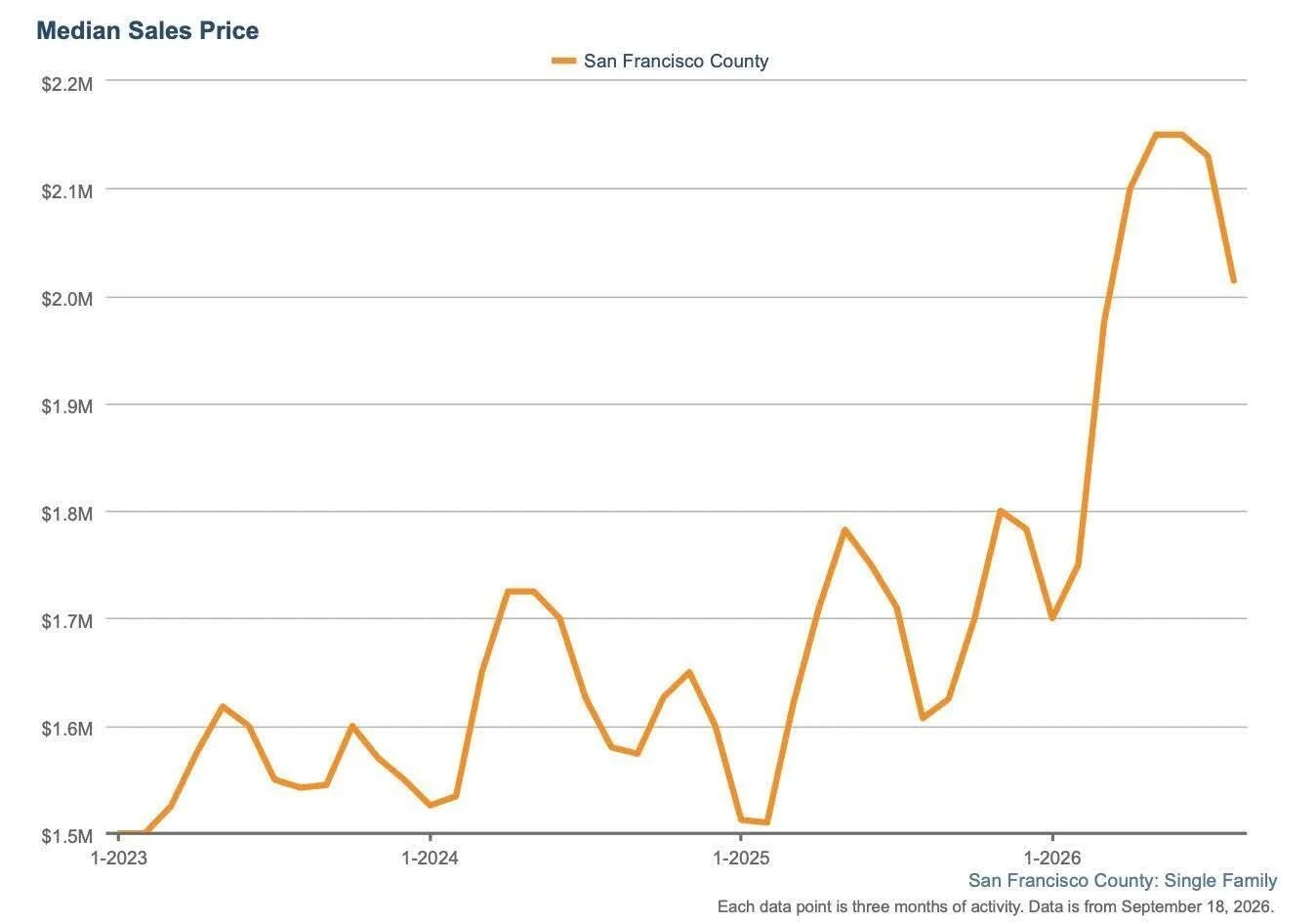
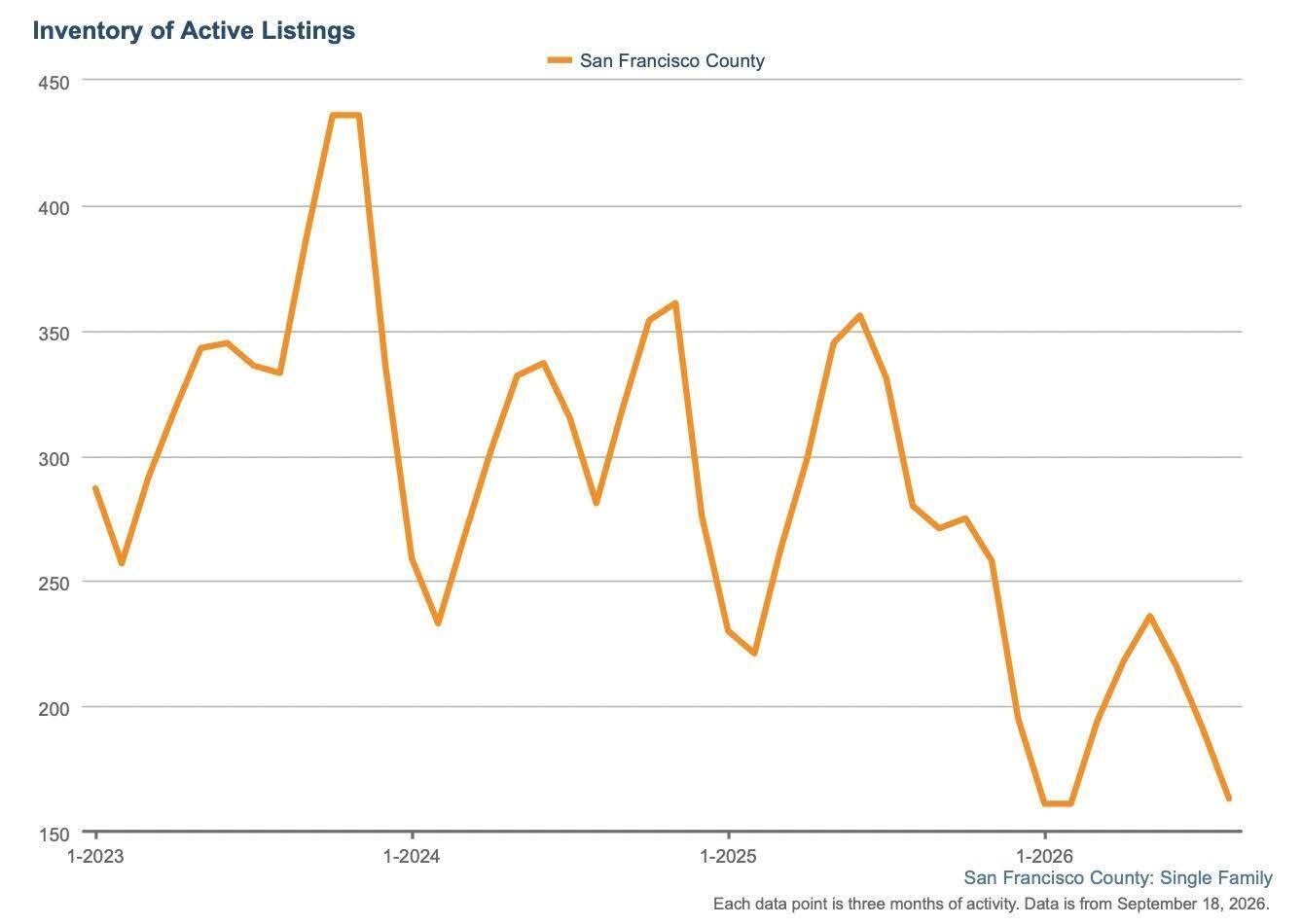
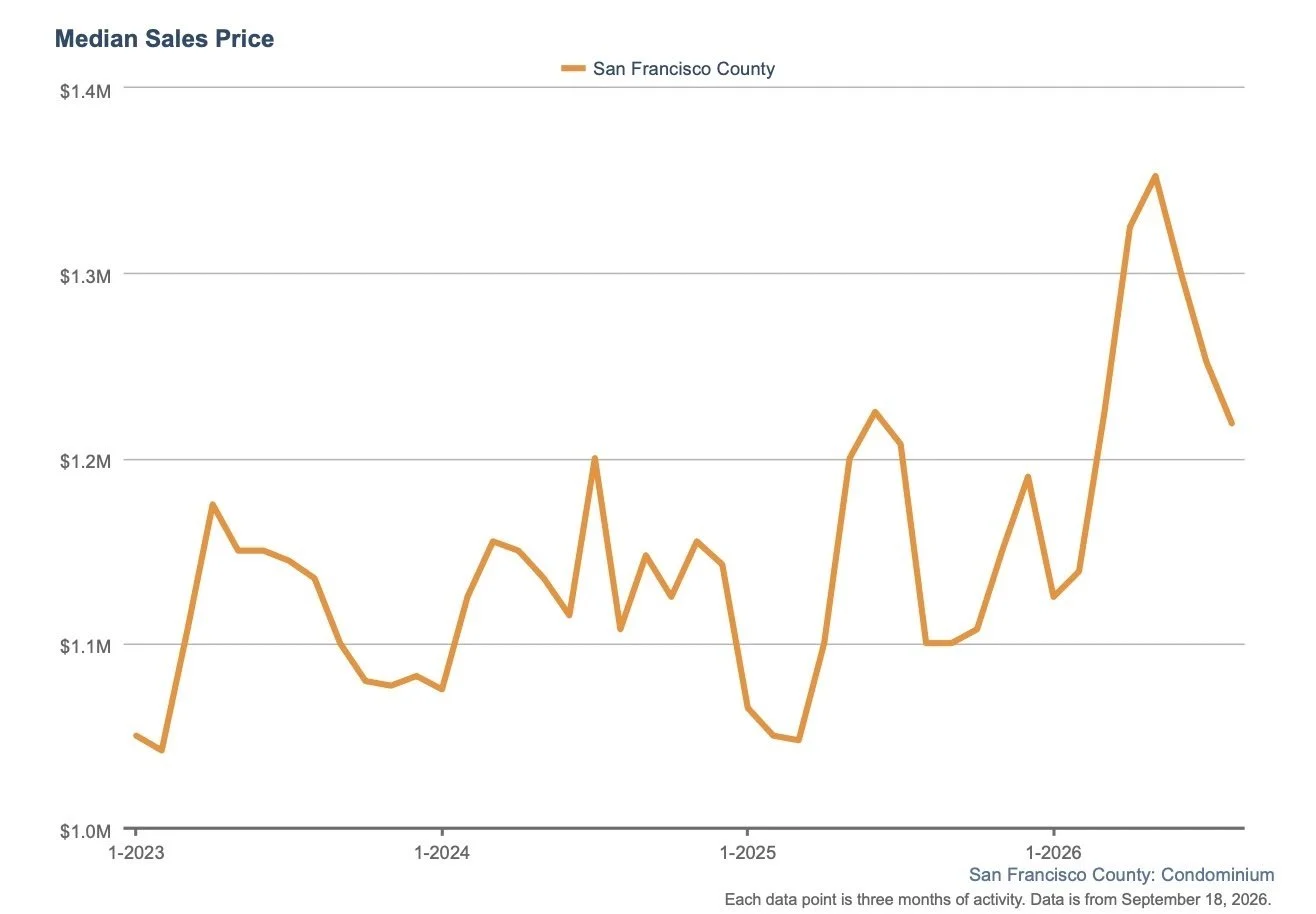
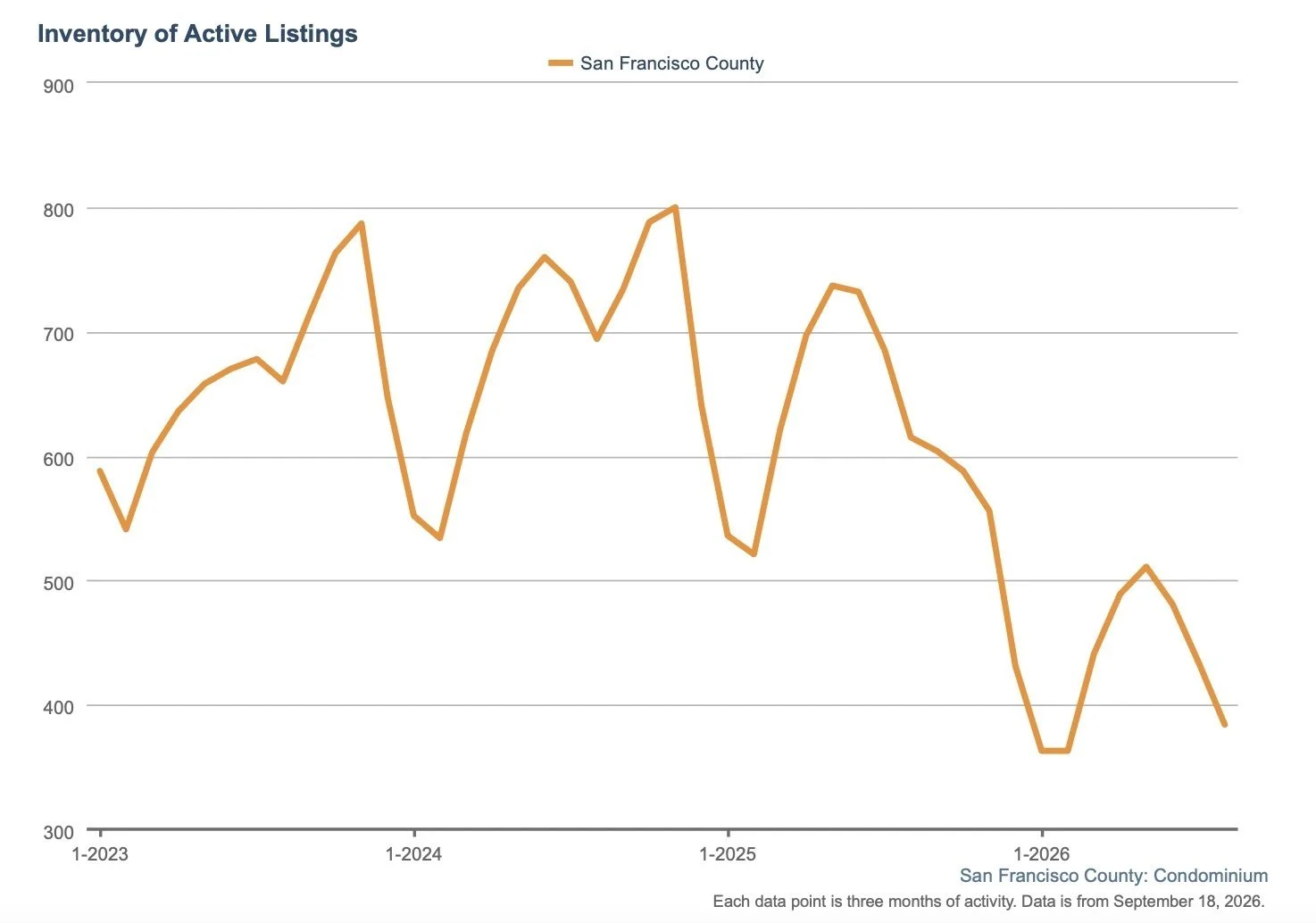
San Francisco, however, continues to look remarkably different from the national picture, with the housing market remaining remarklably competitive heading into Fall. August single-family prices were up more than 23% from a year earlier, while inventory was down roughly 33%. Condo inventory fell more than 36%, and condos that took an average of 51 days to sell last August were moving in just 19 days this August. Single-family homes averaged just 13 days on market, and the city's months of supply remained extremely tight at 0.8 months for houses and 1.6 months for condos. So while the national market is giving buyers more choices and more negotiating room, San Francisco continues to be defined by limited supply and strong demand. In short, prices may have cooled slightly from their spring highs, but low inventory and faster sales continue to keep pressure on the San Francisco market.


A Couple Noteworthy Developments
Finally, a couple of noteworthy developments…
One development worth watching, particularly for condo owners and buyers: financing standards for condominium projects are changing. As of August 3, Fannie Mae tightened how lenders evaluate reserve studies. Beginning January 4, 2027, projects undergoing a full review will generally need to budget at least 15% of annual assessment income for replacement reserves, up from 10%. That means an HOA's reserves, insurance, deferred maintenance and financial health are becoming an even more important part of whether a buyer can obtain conventional financing.
The other development is a major legal victory related to the residential vacancy tax. Last year, the San Francisco Apartment Association and the San Francisco Small Property Owners Association challenged the tax on the grounds that it conflicted with property rights protected under California law. The San Francisco Superior Court agreed and blocked the tax from taking effect. The City appealed that decision. Late last week, the California First District Court of Appeal unanimously upheld the Superior Court’s ruling. The appellate court found that the tax conflicts with the Ellis Act, which protects a property owner’s right to leave the residential rental market. The City may seek review by the California Supreme Court, although it has not announced whether it will do so. Read more about the decision here.